
Traceability pilot connects smallholder latex to glove factories
A digital collection record now follows latex from 1,400 smallholdings through four dealers and into three member factories.
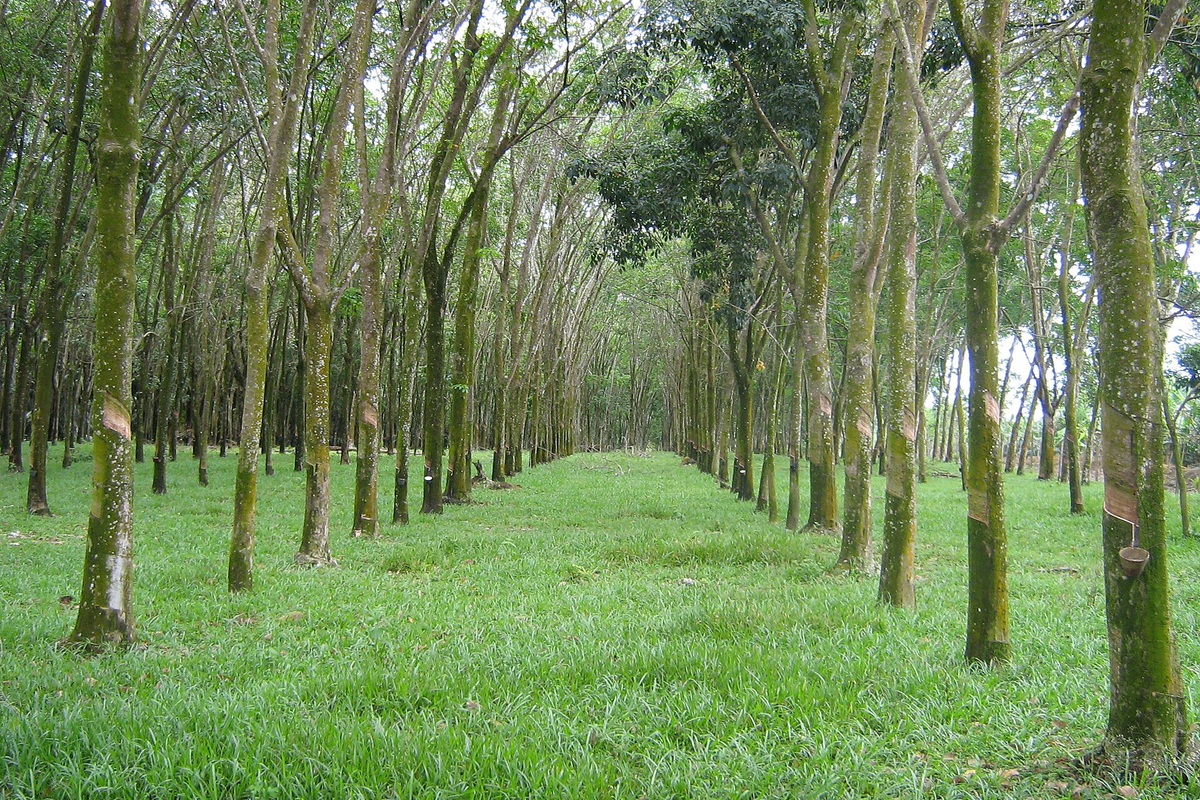
A traceability pilot covering 1,400 smallholdings in Johor and Perak has moved into its second phase, with collection records now flowing from village buying points through four dealers and into three glove factories. The aim is to answer a buyer question that has become routine in Europe: where was the latex grown.
The mechanism is deliberately low-tech. Each buying point weighs latex on a connected scale, prints a receipt with a lot code and sends an SMS record to a central register. Dealers consolidate lots and pass the codes forward; factories record which codes entered which production week.
That is enough to trace a finished carton back to a group of holdings, though not to a single tree. For the due diligence requirements now reaching Malaysian exporters, group-level traceability with a documented risk assessment is generally accepted, provided the assessor can see the collection records and the dealer chain.
Phase three will add polygon mapping for the holdings, which allows a buyer to check that no collection point sits inside a protected area. The council expects the first mapped reports to be available to participating factories before the end of the year.
The council publishes these notes for members and registered buyers. Figures quoted in market updates are industry estimates and should be verified before a contract is priced.