Seminar walks exporters through EUDR due diligence files
A working session in Kuala Lumpur focused on the evidence a rubber exporter actually needs to hold, rather than the regulation's text.
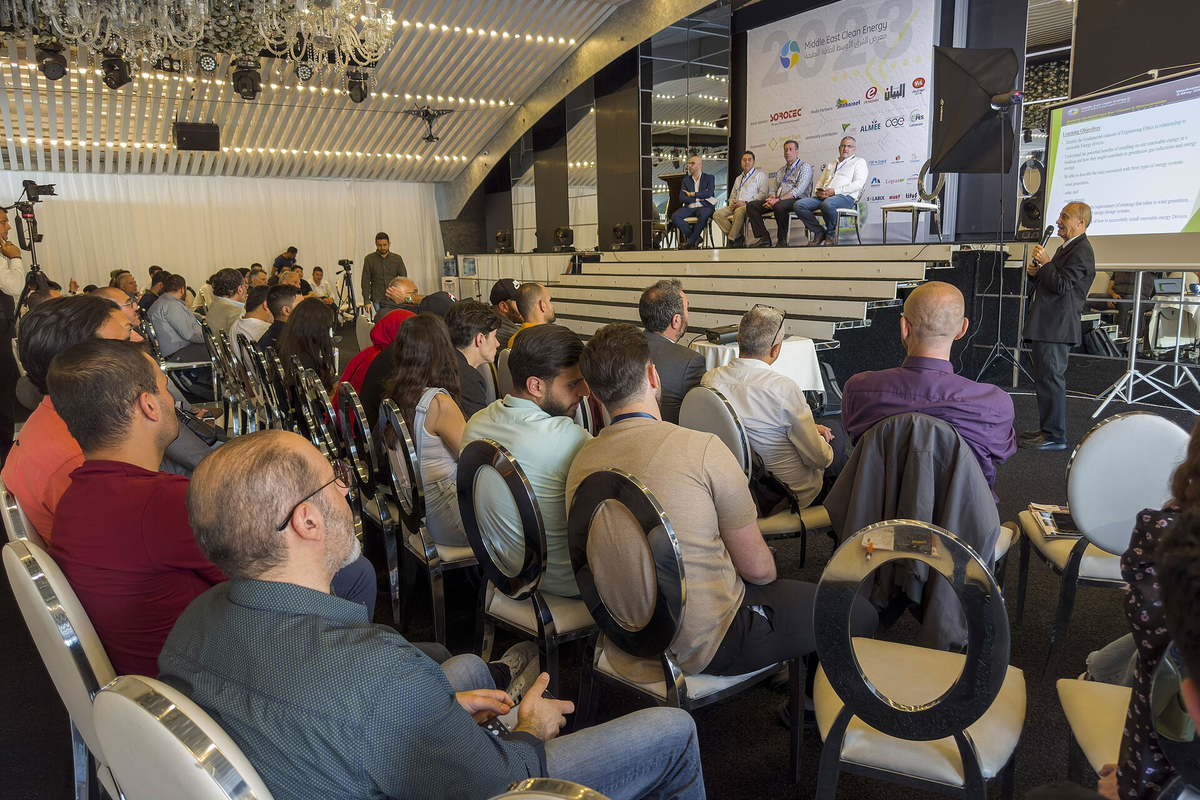
A working session on the European Union deforestation regulation drew quality managers and export staff from 46 member companies this month. The format was deliberately practical: each participant left with a template due diligence file and a list of the evidence their own plant is still missing.
For natural rubber, the file has to establish that the material was not grown on land deforested after the cut-off date, that the plots are legally established, and that the supply chain from plot to factory is documented. In practice that means collection records, dealer declarations, plot coordinates and a risk assessment that a competent authority could follow.
The question that came up most often was what to do about mixed lots. When latex from mapped and unmapped holdings is consolidated at the same buying point, a factory cannot claim plot-level certainty for the whole batch. The session advised segregating mapped material at the buying point, even at a cost, until coverage is complete.
The council will run a follow-up clinic in September for companies that have started assembling files, with reviewers from the Malaysian Rubber Board sitting in.
The council publishes these notes for members and registered buyers. Figures quoted in market updates are industry estimates and should be verified before a contract is priced.